

The Tea Monk: How Eisai Brought Tea to Japan
When we think of Japanese tea culture, images of serene Zen gardens and intricate matcha ceremonies often come to mind. But few people know that this beloved tradition owes its existence to a singularly determined monk: Eisai.
At TeaWish, we believe that understanding the journey of tea deepens the appreciation of every sip. The story of Eisai is not just a tale of religion or travel; it is the story of how the finest Chinese tea crossed the sea to transform an entire nation.
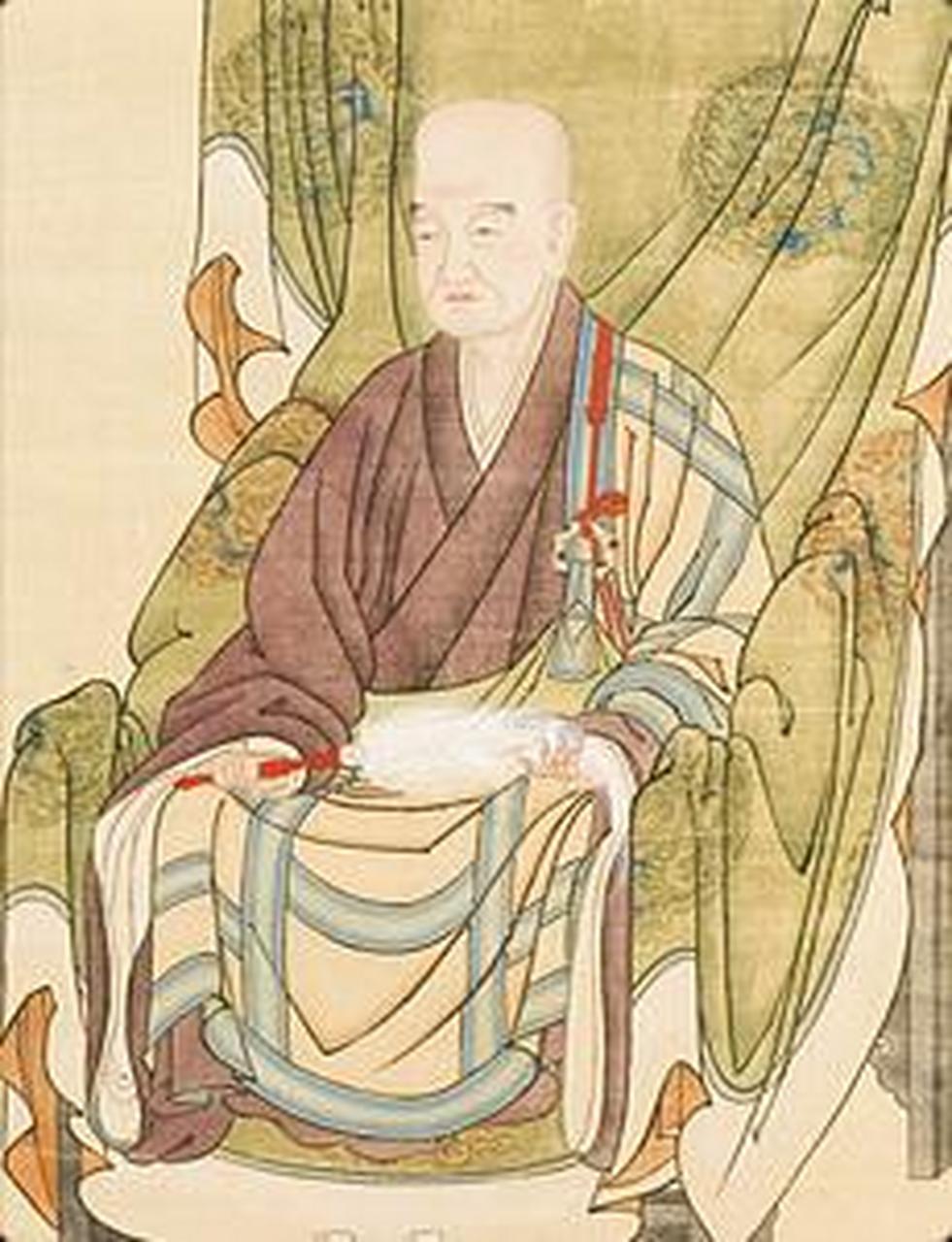
The Pilgrimage to China
In the late 12th century, a Japanese Buddhist monk named Eisai (Myōan Eisai) traveled to China to study Zen Buddhism. At the time, China was the epicenter of tea culture, having already cultivated the beverage for centuries. During his time there, Eisai was introduced to the powdered tea known as matcha, which was used by monks to stay awake during long hours of meditation.
Eisai saw something profound in this practice. He realized that tea was more than just a beverage; it was a spiritual tool—a bridge to mindfulness.

A Journey Home with Authentic Tea
When Eisai returned to Japan in 1191, he did not come back empty-handed. He carried with him the highest quality authentic tea seeds. While tea had existed in Japan prior to Eisai in small, elite circles, it was Eisai who systematized its cultivation and popularized its consumption.
He planted these seeds in three locations, most famously at the Yoshida shrine on the island of Hirado. By establishing the first proper tea gardens, Eisai ensured that Japan would no longer rely on sporadic imports. He laid the foundation for Japan to cultivate its own superior loose leaf tea and matcha, setting the stage for the Uji region to become the renowned tea capital it is today.

The Written Legacy: Kissa Yojoki
Eisai’s influence wasn’t limited to farming. He authored Kissa Yojoki (喫茶養生記), or “Drinking Tea for Health,” which is considered Japan’s first tea manual. In this text, he extolled tea as a “medicine for the heart” and a cure for various ailments.
He emphasized that true tea—specifically the authentic tea brought from China—had the power to align the body with the spirit. His writings helped convince the samurai class and the nobility to adopt tea drinking, turning a monastic habit into a cultural cornerstone.
Why This Matters to Tea Drinkers Today
Eisai’s legacy is the reason we can enjoy high-quality loose leaf tea that retains its original character and health benefits. At Teawish, we honor this history by sourcing teas that reflect the same dedication to purity and craftsmanship that Eisai valued.
Whether you are brewing a grassy matcha or a complex oolong, you are participating in a tradition that Eisai worked tirelessly to establish. We are proud to offer a selection of Chinese tea and Japanese-inspired teas that uphold the standards of authenticity that Eisai championed over 800 years ago.
Explore the Tradition
Ready to taste the history that Eisai helped create? Visit www.teawish.co to explore our collection of authentic loose leaf teas.From the misty mountains of China to the serene temples of Japan, let us help you bring a moment of mindfulness into your cup.